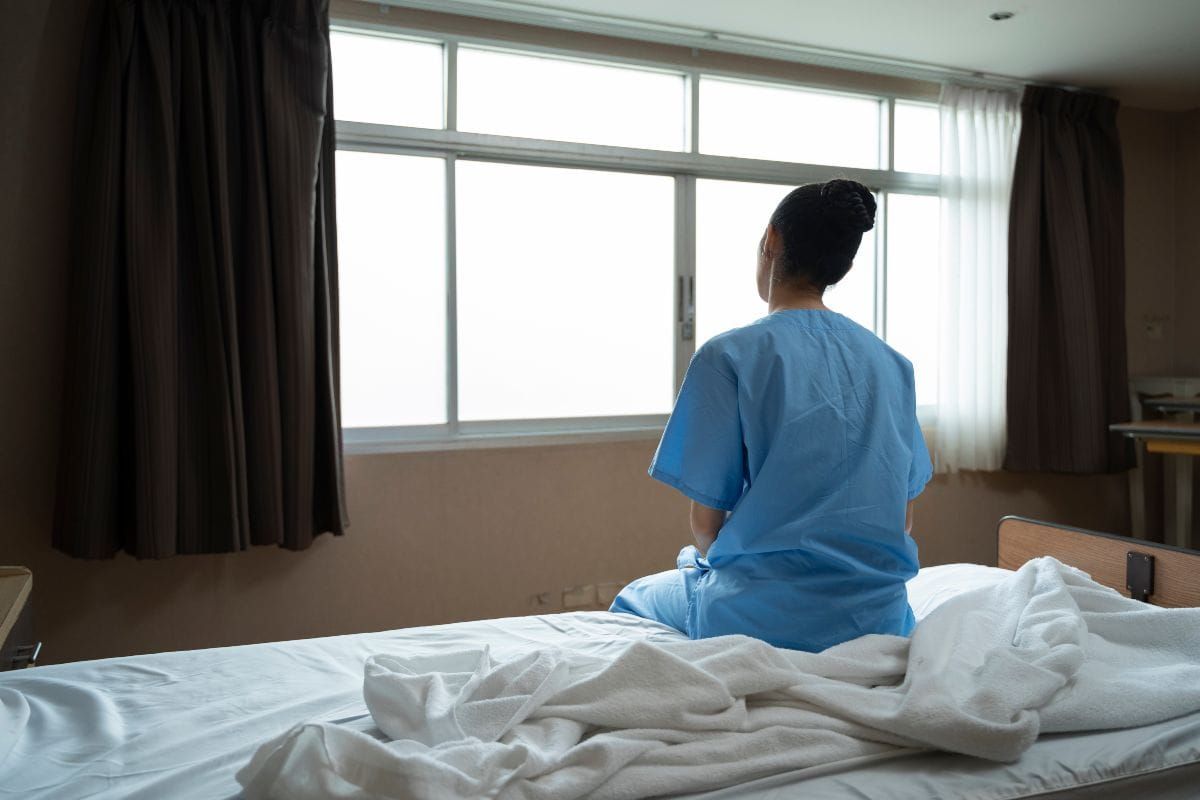

A watchdog group filed over 6,000 complaints about potential negligence and sexual and physical assaults on patients in psychiatric facilities in one year alone. Why are these specific types of abuses so common? Why aren’t we hearing more about these incidents? And what can be done to eliminate them?
Awareness campaigns such as the #MeToo Movement have illuminated many areas of sexual abuse. However, sexual assault of patients in psychiatric wards has largely been left out of the conversation. This specific type of sexual assault raises alarming questions about the safety and conditions in our country’s psychiatric facilities and mental health prisons.
Underreporting, lack of data, and inadequate legal enforcement have all contributed to the conditions that allow sexual assault in psychiatric facilities to persist. Recognizing the issue and raising awareness of it are some of the first steps we can take to eradicating these egregious acts.
Legal action also provides strong avenues of change and justice for issues such as this. In some instances, lawsuits can bring about more immediate results and awareness in ways that are faster than legislation or other means.
If you or a loved one have been affected by sexual assault in a psychiatric facility, contact The Pride Law Firm at 619-516-8166. Our firm exists to return power to survivors by providing them with the necessary resources and representation they need to heal, recover, and move forward again.
Why Is Sexual Assault in Psychiatric Facilities So Common?
In a word, lack of reporting and data is perhaps the main reason why sex abuse in psychiatric facilities is so common.
According to statistics from the Rape, Abuse & Incest National Network (RAINN), the majority of sexual assaults are not reported to the police. Only 310 out of every sexual assaults are ever reported to authorities, meaning 2 of 3 incidents go unreported. RAINN cites various reasons for non-reporting, including fear of retaliation and a belief that the police will not do anything.
For sexual assault survivors at psychiatric facilities, failure to report can be even more intensified.
What Prevents Sexual Assault in Mental Health Facilities From Being Reported:
• Fear of their environment
• Barriers to contacting law enforcement (both real and perceived)
• Feelings of not being believed
• Survivors may often be highly medicated and held against their will
Due to the historical lack of reporting for these types of sexual assault cases, data is severely limited. There is no nation or state-wide requirement for reporting instances of sexual assaults within such facilities.
As a result, we do not have accurate data regarding:
- The number of actual reports
- The process for investigating such changes
- The level of detail included in any existing reports
Another note is that patients tend to report sexual assault only when discussing what happened to their support systems. Strong support systems of patients are consistently the reason that they come forward to make a disclosure.
Psychiatric Ward Assaults
CASES 4 CAUSES PODCAST | S1: EPISODE 2
Who Are the Perpetrators of Sex Abuse in Psychiatric Treatment Centers?
Subscribe to Jessica Pride
Get new posts delivered to your inbox.